
Phenology
What is Phenology?
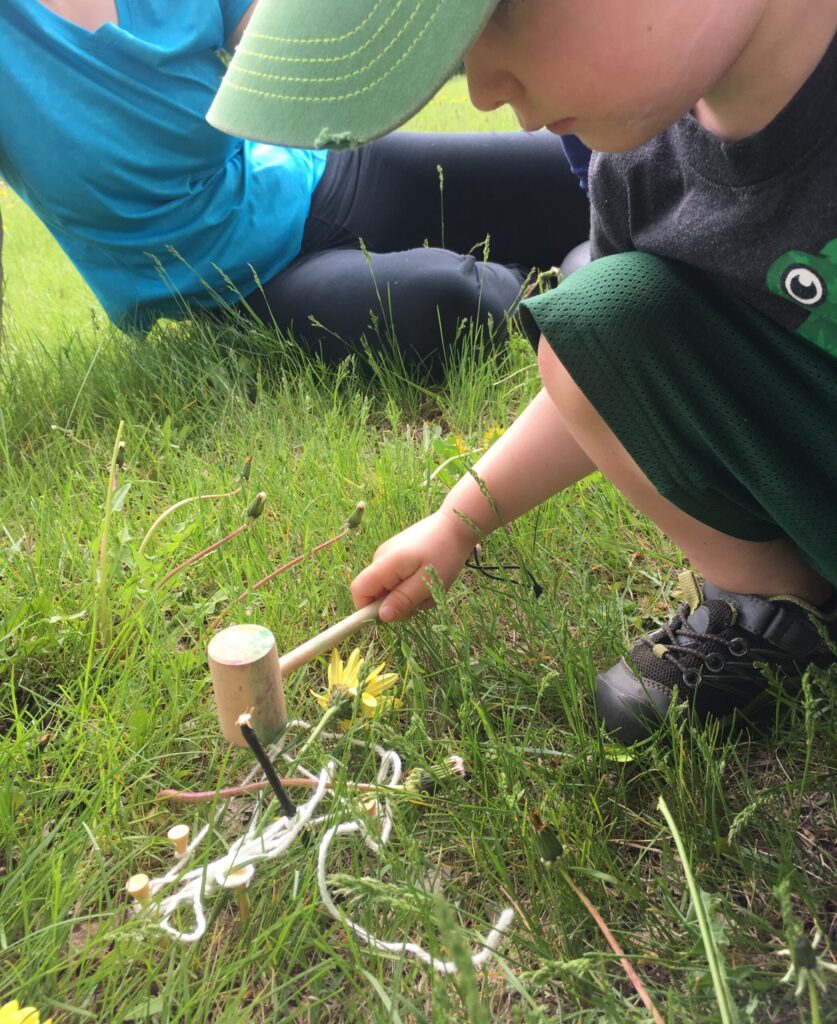
Phenology is the study of the timing and cyclical patterns of events in the natural world, particularly those related to the annual life cycles of plants, animals, and other living things. These events include the budding of leaves in spring, the arrival of migratory birds, the flowering of plants, and the onset of fruit ripening. Phenology is a vital field of ecological research that helps us understand how living organisms respond to environmental cues such as day length, temperature, and rainfall, and how climate change can impact these seasonal changes.
Most modern data collection methods, including the USA-NPN’s Nature’s Notebook program, take a Western science approach to phenology. However, indigenous cultures have long held a deep connection with phenology. For many indigenous communities around the world, the observations of natural cycles and the traditional ecological knowledge passed down through generations play a central role in their way of life. Phenology informs crucial decisions in these cultures, including when to plant and harvest crops, when to conduct rituals or ceremonies, and when to expect the arrival of specific animals for hunting or gathering. Indigenous peoples’ understanding of phenology is often deeply intertwined with their spiritual beliefs and is a testament to their profound respect for the environment and the intricate relationships between humans and the natural world.
Studying phenology is of paramount importance in today’s world, as it offers a window into the impacts of climate change and the consequences for ecosystems and human societies. By monitoring phenological shifts, scientists can gain valuable insights into how global warming is altering the timing of key biological events. These shifts can have cascading effects on ecosystems, disrupting the delicate balance between species and affecting agricultural practices and food security. Moreover, the study of phenology can aid in the development of more effective conservation strategies, enabling us to better anticipate and mitigate the challenges posed by changing environmental conditions. In short, phenology provides essential data for understanding, adapting to, and mitigating the ecological and societal consequences of a changing climate.
Upcoming Classes
Class offerings added and updated throughout the seasons – check back! If you are looking for a specific time or can only make half a season, please contact us and make a request! We will see what could be done. Remember, if you don’t ask it won’t happen; if you ask, there is a chance.
Class Location
Classes take place at Viking Ship Park in Moorhead, MN. – Dress appropriately for spending at least 1 hour outside.
Phenology Walks
- December – 3 Weeks
- January – 3 Weeks
- February – 3 Weeks
- December – 3 Weeks
- January – 3 Weeks
- February – 3 Weeks